


Free Shipping All Orders Over $95
The most popular shortcut in the smalls-versus-flower debate is also the least reliable: bigger buds don't automatically mean stronger cannabis, and smaller buds aren't automatically a bargain. Smalls are undersized flowers, often from lower or less-lit branches; “flower” usually refers to more prominent buds and colas. Size can affect appearance, handling and price, but it can't tell you what's in a specific lot. For that, compare its lab results, freshness and price against what you'll use in practice.
Smalls and full flower aren't separate botanical products. Smalls, also called popcorn buds, are intact flowers that are smaller in size and often develop on lower or less-light-exposed branches. “Flower” commonly means the more prominent buds, including top colas. The distinction is mainly size and presentation, not a guaranteed difference in potency. (Plenny's overview of THCA flower smalls)
| Criterion | Smalls | Full Flower |
|---|---|---|
| What it is | Undersized buds, often lower on the plant or in shade | Prominent top buds and colas |
| Potency behavior | Can match full flower under even light; may be lower when shaded | Often comes from top-lit positions; still varies by lot |
| Price per gram | Usually lower per listed gram | Usually higher per listed gram |
| Appearance | Compact, uniform and popcorn-like | Larger buds with more visible structure |
| Preparation | Ready to grind, with little breakdown and often less trim waste | Usually needs breaking down; stems or trim may need removing |
| Best fit | Pre-rolls, vaporizers, extraction and budget buying | Whole-bud sessions, display and premium presentation |
That comparison is a buying guide, not a potency guarantee. A cultivation study involving a CBD-rich medical cultivar found cannabinoid concentrations in lower axillary flowers up to 90% below those in top flowers. By contrast, a commercial greenhouse study of Blue Dream reported average THC of 17.2% and no meaningful top-versus-bottom potency difference under more uniform lighting. The results point to plant position and growing conditions as important factors, but they don't support a universal rule that smalls are weaker. (Plenny's overview)
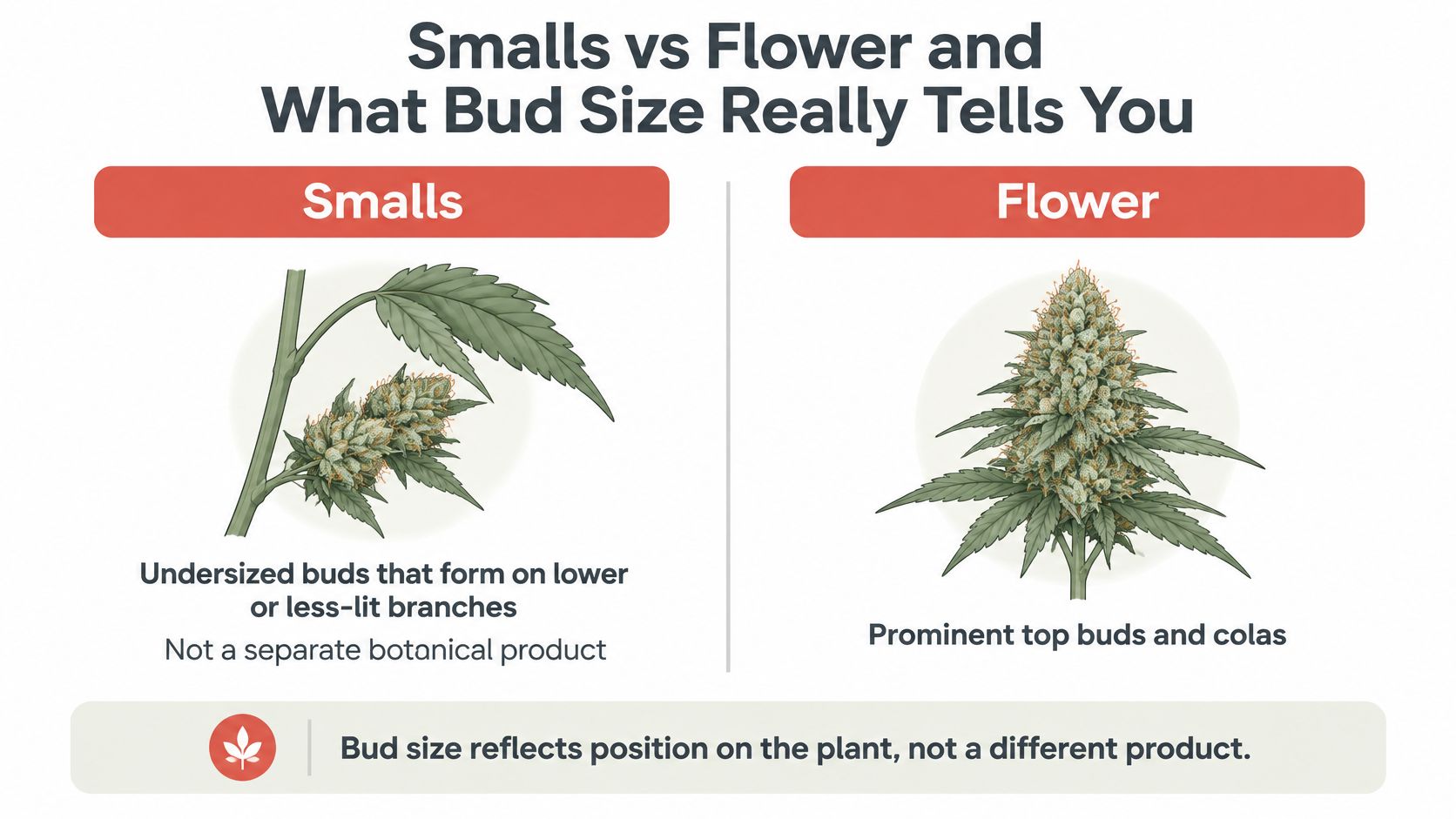
Trichomes matter because they're where cannabinoids and aromatic compounds accumulate, but trichome density alone doesn't reliably predict cannabinoid content across different cannabis genotypes. Trichome shape, size and maturity can matter too. Research summarized in a review of popcorn buds and smalls also describes how shaded lower flowers may have much lower cannabinoid concentrations than top buds, while more uniform lighting can reduce the difference.
For a buyer, the practical takeaway is specific: judge the lot, not the nug diameter. Smalls from consistently cultivated, well-lit plants can deliver cannabinoid results comparable to full flower. Small buds from shaded positions may not. A current, third-party certificate of analysis (COA) for the specific lot gives you more useful information than bud size alone. Check the cannabinoid panel, contaminant results and, if available, the terpene profile. A batch result is still an estimate for the tested sample, not a guarantee that every bud in the package has identical chemistry.
Nug diameter isn't a potency signal. Genetics, cultivation consistency and a current, lot-specific COA are better clues.
In an illustrative comparison, a $42 3.5-gram package of full flower costs $12.00 per gram, while a $30 3.5-gram package of smalls costs about $8.57 per gram. The smalls package is cheaper per listed gram, but that alone doesn't establish better value. Washington's average dried-flower spending was $6.65 per gram in 2025. In a February 2025 survey of more than 1,000 adults, 40% said they were buying smaller quantities than before, and 28% named price as their top priority. (Washington's 2025 consumer report)
The table uses illustrative package prices, not market quotes. Divide the price by the package weight to get listed cost per gram. Then consider how many grams you'll realistically use, including any unusable stem, trim or broken material.
| Format | Package price | Weight | Notes |
|---|---|---|---|
| Full flower, 3.5 g | $42 | 3.5 g | Some loss to breakdown and stems |
| Smalls, 3.5 g | $30 | 3.5 g | Little trim; check terpene retention |
| Full flower, 28 g | $300 | 28 g | Premium presentation, fewer price breaks |
| Smalls, 28 g | $200 | 28 g | Strong value if the lot's COA is current |
The 28-gram examples work out to about $10.71 per gram for full flower and $7.14 for smalls. The calculation is straightforward, but usable value also depends on product condition and intended use. If you plan to grind everything for pre-rolls, whole-bud appearance may have little value to you. If aroma and intact presentation matter, a lower sticker price may not compensate for poor freshness or excess breakage.
A discount might reflect small-bud appearance, but it could also come with more broken pieces, lower trim quality, weaker terpene preservation or different storage conditions. Score price, lab transparency, aroma, moisture and packaging separately rather than treating a low cost per gram as proof of quality. Melt's THCA flower budget guide offers another way to think through cost and format.
The useful question isn't just “Are smalls cheaper?” It's when is the lower price worth accepting some variation in aroma and structure?
For pre-rolls and joints, smalls are often the convenient choice. Their compact size reduces the work of breaking flower down, and consistent pieces are easy to grind and pack. Whole buds work too, but you'll need to break them apart first.
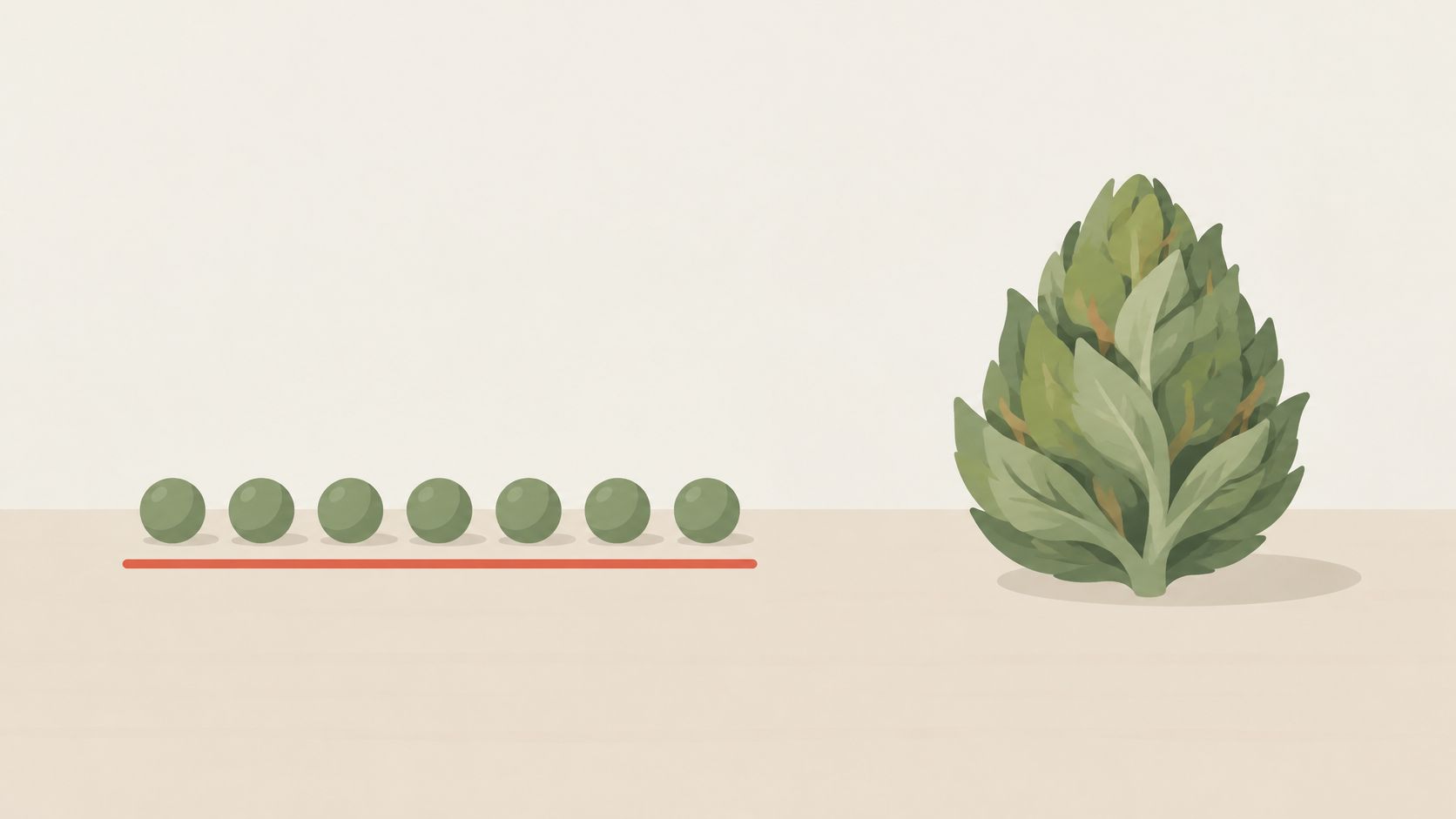
For a dry-herb vaporizer, smalls can be easy to portion and grind into a more uniform consistency. Grind them lightly rather than turning them into fine powder, which can restrict airflow in some devices. Follow your vaporizer's packing instructions.
Hand-packed bowls and other glass sessions generally favor larger, intact buds. Full flower tends to hold its structure better during handling and creates less loose material than pieces that have already broken down. If you want the bud itself to be part of the session's presentation, whole flower makes that easier.
Smalls can also suit rosin or other solventless extraction when the input is clean and the format saves you from breaking down larger buds. But don't assume size establishes suitability for processing. Check the product description and contaminant results, and confirm that the material is the format you intend to use.
For display or gifting, full flower is usually the stronger fit because its shape is visible and intact. Smalls may be less compelling in a jar when visual presentation is part of the purchase. Neither format is automatically the right choice for every method.
Rule of thumb: choose for the way you plan to use the flower first, then compare prices.
A COA is most useful when it belongs to the exact lot you're considering. For smalls, the tested sample matters: flower position and sampling can influence the reported potency, and one result can't guarantee identical chemistry in every individual bud. Use this order when checking a product.
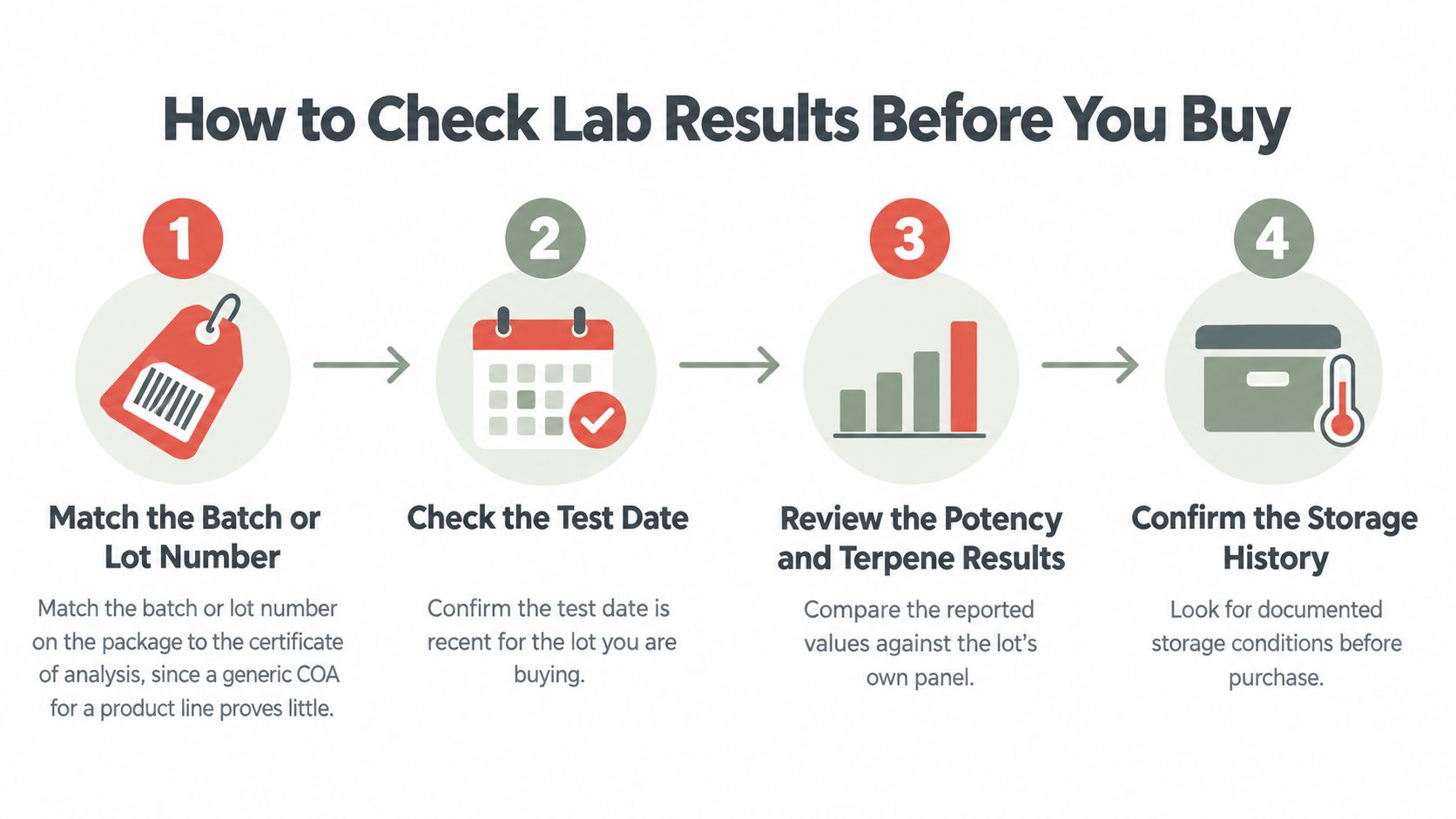
For a closer explanation of the labels and calculations, use Melt's guide to reading a certificate of analysis.
Smalls have more exposed surface relative to their mass than large, intact colas. That leaves more resin and volatile aroma compounds exposed to oxygen, heat, light and handling. Large flower can protect intact trichomes better, while small pieces may lose aroma faster if the package is opened often or the buds are handled roughly. (Post-harvest research on cannabis flower quality)
| Storage factor | Target | Why it matters for smalls |
|---|---|---|
| Temperature | About 18 °C | Heat can speed terpene and cannabinoid loss |
| Relative humidity | 45 to 55% | Too dry can waste aroma; excess moisture can invite mould |
| Light | Dark, opaque container | Light can degrade cannabinoids and terpenes |
| Oxygen and headspace | Airtight, with minimal headspace | More exposed surface can increase oxidation |
| Handling | Open rarely; grind just before use | Repeated opening lets volatile aroma compounds escape |
Cool, dark storage and limited oxygen help reduce oxidation-related loss, but no single storage step guarantees that the flower will retain its original aroma. Volatile aroma compounds can decline even when cannabinoid preservation is comparatively good, so potency alone won't tell you whether a package is fresh.
Check the packaging quality and package date, and look for terpene results if flavour is important to you. Store the flower in an airtight, light-resistant container and avoid repeated handling. Melt's guide to storing THCA flower covers practical storage considerations. Grind only what you plan to use.
Choose full flower if you care about whole-bud sessions, appearance or the experience of handling intact buds. That preference only makes sense if the lot also has current lab results and sound storage. A photogenic bud can't confirm its terpene profile or condition.
Smalls may be a better fit when you'll grind the flower for pre-rolls or a vaporizer, or when a compact format suits your process. Look for a current COA that matches the package, includes contaminant results and gives you relevant cannabinoid and terpene information. Neither format is safe or high-quality by default. A product's size and label don't replace checking its particular lot.
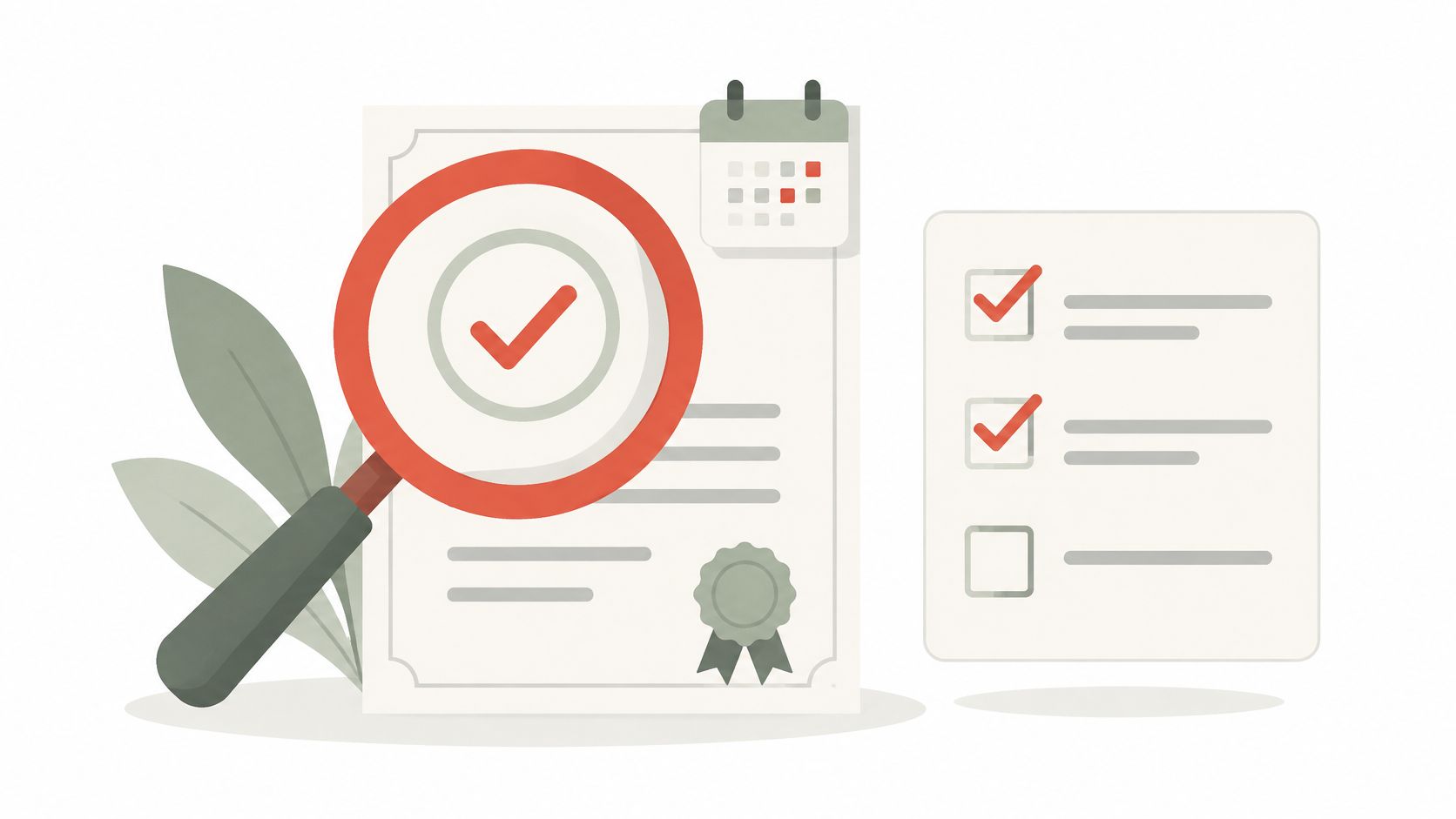
Shortlist two lots, then match each package to its COA and check the test date, cannabinoid results, contaminant panels, terpene profile and available moisture information. Calculate the listed price per gram by dividing package price by weight, then account for any trim, stems or breakage you won't use. Choose the lot whose evidence and format fit your intended use, rather than paying extra for appearance you don't value.
If you're buying THCA products, be 21 or older, check your local rules and remember that shipping is restricted where prohibited. Make sure the COA matches the exact lot you receive, not just a similar product or cultivar.
For a practical comparison, start with two packages you'd realistically consider buying, verify both lot reports and calculate the cost per usable gram. Melt offers THCA flower and buyer guides that can help you compare formats and review lab information before choosing.
Your cart is currently empty.